
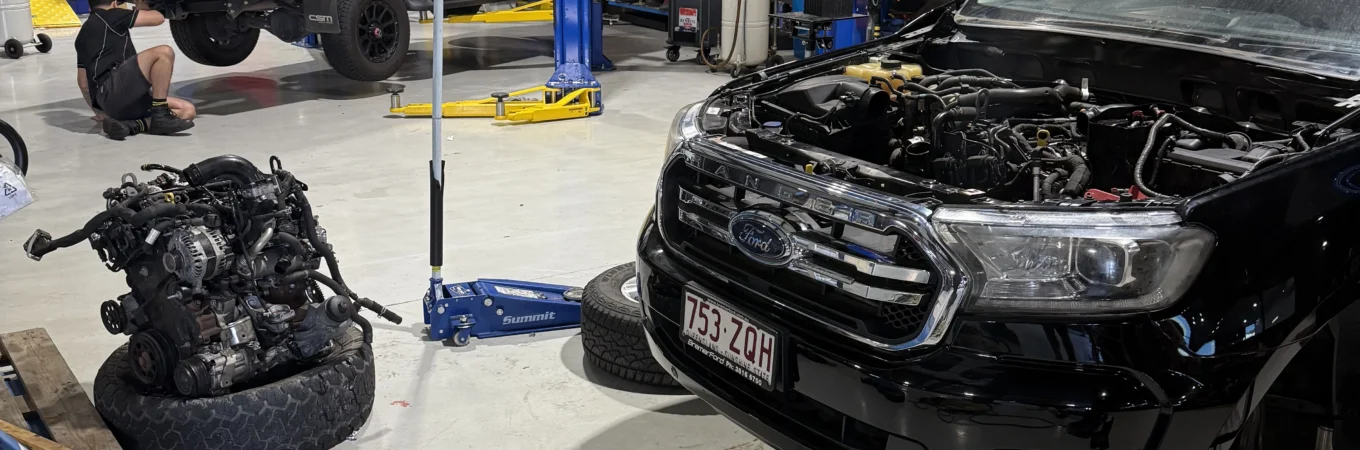
For truck owners and fleet operators, servicing is often viewed as a scheduled expense that can be postponed during busy periods. However, delaying routine truck maintenance can result in significantly higher costs than the service itself. What begins as a minor issue—such as worn brake components, contaminated oil, or a neglected cooling system—can quickly escalate into major mechanical failures, costly repairs, unexpected downtime, and lost business revenue.
In Queensland’s demanding operating conditions, commercial trucks are exposed to heavy loads, long-distance travel, stop-start urban traffic, high temperatures, and varying road conditions. These factors place substantial stress on critical vehicle systems and make regular maintenance essential for reliability and safety.
This guide explains the true cost of delayed truck servicing, the risks associated with ignoring maintenance schedules, and why proactive servicing remains one of the smartest investments truck owners can make.
Key Takeaways
- Delayed servicing often costs significantly more than preventative maintenance.
- Minor mechanical issues can become major failures if ignored.
- Unplanned downtime can impact business revenue and customer relationships.
- Routine inspections help identify problems before they become expensive repairs.
- Brake, engine, cooling, and transmission systems require regular monitoring.
- Fuel efficiency often declines when servicing is neglected.
- Proper maintenance improves vehicle lifespan.
- Fleet operators benefit from predictable maintenance costs.
- Regular servicing enhances road safety and compliance.
- Preventative maintenance reduces the risk of breakdowns.
Why Is Regular Truck Servicing Important?
Regular truck servicing helps identify wear, damage, and performance issues before they lead to breakdowns or major repairs.
A comprehensive service typically includes inspection of:
- Engine systems
- Brakes
- Transmission
- Suspension
- Steering
- Cooling system
- Electrical components
- Tyres and wheels
Routine servicing helps ensure trucks remain safe, reliable, and efficient.
The Hidden Cost of Delaying Truck Servicing
Many truck owners focus only on the immediate cost of maintenance while overlooking the much larger costs associated with mechanical failure.
Delayed servicing can result in:
- Expensive repairs
- Vehicle downtime
- Missed deliveries
- Lost productivity
- Increased fuel consumption
- Reduced vehicle lifespan
- Safety risks
The financial impact often extends well beyond the workshop invoice.
Top 10 Costs of Delayed Truck Servicing
- Unexpected engine repairs
- Transmission failures
- Increased fuel consumption
- Brake system damage
- Roadside breakdown expenses
- Lost operating time
- Missed delivery schedules
- Reduced vehicle lifespan
- Higher repair bills
- Potential compliance and safety issues
Increased Repair Costs
One of the biggest consequences of delayed servicing is the escalation of minor issues into major repairs.
For example:
- A small oil leak can become engine damage.
- Worn brake pads can damage rotors.
- Cooling system issues can lead to overheating.
Early intervention is almost always less expensive than major component replacement.
Unplanned Vehicle Downtime
Downtime is one of the most costly consequences for commercial truck operators.
When a truck is off the road:
- Deliveries may be delayed.
- Customers may be affected.
- Revenue generation stops.
- Business schedules are disrupted.
For many operators, downtime costs far exceed the actual repair bill.
Reduced Fuel Efficiency
Poorly maintained trucks often consume more fuel.
Common causes include:
- Dirty air filters
- Worn injectors
- Incorrect tyre pressures
- Contaminated engine oil
- Poor engine performance
Even small reductions in fuel efficiency can create substantial annual operating costs.
Engine Damage
The engine is one of the most expensive components in any truck.
Failure to maintain:
- Oil quality
- Filters
- Cooling systems
- Belts
- Hoses
can significantly increase the risk of engine damage.
Engine rebuilds or replacements can cost many times more than routine servicing.
Brake System Failures
Commercial vehicles depend on reliable braking systems for safety and compliance.
When brake maintenance is delayed:
- Stopping distances increase.
- Components wear prematurely.
- Rotor damage may occur.
- Safety risks increase.
Regular inspections help identify wear before serious issues develop.
Cooling System Problems
Queensland’s warm climate can place additional demands on truck cooling systems.
Common issues include:
- Coolant degradation
- Radiator blockages
- Hose deterioration
- Water pump wear
Without regular servicing, overheating can cause severe engine damage.
Transmission Wear and Failure
Truck transmissions operate under significant stress, particularly when hauling heavy loads.
Neglected transmission servicing may lead to:
- Gear shifting problems
- Fluid contamination
- Internal wear
- Major mechanical failures
Routine maintenance helps extend transmission life and improve reliability.
Tyre Wear and Associated Costs
Tyres are one of the most important safety components on any commercial vehicle.
Poor maintenance can contribute to:
- Uneven tyre wear
- Reduced traction
- Increased fuel usage
- Premature tyre replacement
Regular servicing includes tyre inspections that help maximize tyre life and performance.
Compliance and Safety Risks
Commercial vehicles are subject to strict safety standards and operational requirements.
Neglected maintenance can increase the likelihood of:
- Safety defects
- Compliance issues
- Failed inspections
- Increased liability risks
Proactive servicing helps ensure vehicles remain roadworthy and compliant.
Reduced Vehicle Lifespan
Every truck represents a significant business investment.
Vehicles that receive consistent maintenance often:
- Remain reliable longer
- Retain value better
- Experience fewer major failures
- Deliver stronger long-term returns
Delaying servicing can shorten the useful life of the vehicle and increase replacement costs.
How Preventative Maintenance Saves Money?
Preventative maintenance focuses on identifying and correcting issues before failure occurs.
Benefits include:
- Lower repair costs
- Reduced downtime
- Improved reliability
- Better fuel efficiency
- Increased vehicle lifespan
For most truck owners, preventative maintenance provides one of the highest returns on investment.
Warning Signs Your Truck Needs Immediate Servicing
Truck owners should never ignore:
- Warning lights
- Unusual noises
- Reduced performance
- Fluid leaks
- Excessive smoke
- Brake issues
- Overheating
- Vibrations
Prompt inspection can often prevent expensive failures.
The Importance of Scheduled Fleet Maintenance
For fleet operators, maintenance scheduling provides predictable operating costs and minimizes disruptions.
Benefits include:
- Improved vehicle availability
- Better budgeting
- Reduced emergency repairs
- Enhanced driver safety
- Improved customer service
Many successful transport businesses rely on structured heavy vehicle maintenance programs to maximize operational efficiency.
Why Professional Truck Servicing Matters
Modern trucks contain increasingly complex mechanical and electronic systems.
Professional technicians can:
- Perform diagnostic testing
- Identify hidden problems
- Follow manufacturer recommendations
- Ensure quality repairs
- Maintain compliance requirements
Working with an experienced auto mechanic in Brisbane helps ensure commercial vehicles receive the expert care they require.
Why Brisbane Truck Owners Choose CBD Auto
CBD Auto provides professional servicing and repair solutions for commercial vehicles throughout East Brisbane and surrounding areas.
Truck owners trust CBD Auto because of its commitment to:
- Thorough inspections
- Preventative maintenance
- Accurate diagnostics
- Experienced technicians
- Reliable repairs
- Customer-focused service
Whether managing a single truck or an entire fleet, proactive maintenance helps reduce costs and improve operational reliability.
FAQs
Q. What happens if truck servicing is delayed?
A. Delaying servicing can lead to increased wear, mechanical failures, higher repair costs, and unexpected downtime.
Q. Can delayed maintenance affect fuel economy?
A. Yes. Dirty filters, worn components, and poor engine performance can significantly reduce fuel efficiency.
Q. How often should commercial trucks be serviced?
A. Service intervals vary depending on vehicle type, usage, manufacturer recommendations, and operating conditions.
Q. Why is preventative maintenance important for trucks?
A. Preventative maintenance identifies issues before they become major failures, helping reduce costs and improve reliability.
Q. Can poor maintenance shorten a truck’s lifespan?
A. Yes. Neglected maintenance accelerates wear and can significantly reduce the vehicle’s operational life.
Q. Why should truck owners use a professional mechanic?
A. Professional technicians have the expertise, equipment, and diagnostic tools needed to properly maintain modern commercial vehicles.
Final Thoughts
Delaying truck servicing may appear to save money in the short term, but it often leads to significantly higher expenses over time. Increased repair costs, vehicle downtime, reduced fuel efficiency, safety risks, and shortened vehicle lifespan can quickly outweigh the cost of routine maintenance.
Regular servicing remains one of the most effective ways to protect your investment, improve reliability, and maintain business productivity. By addressing issues early and following a structured maintenance schedule, truck owners can avoid costly breakdowns and keep their vehicles operating at peak performance.
For businesses that depend on reliable transport, preventative maintenance is not an expense—it is a critical investment in long-term success.
